
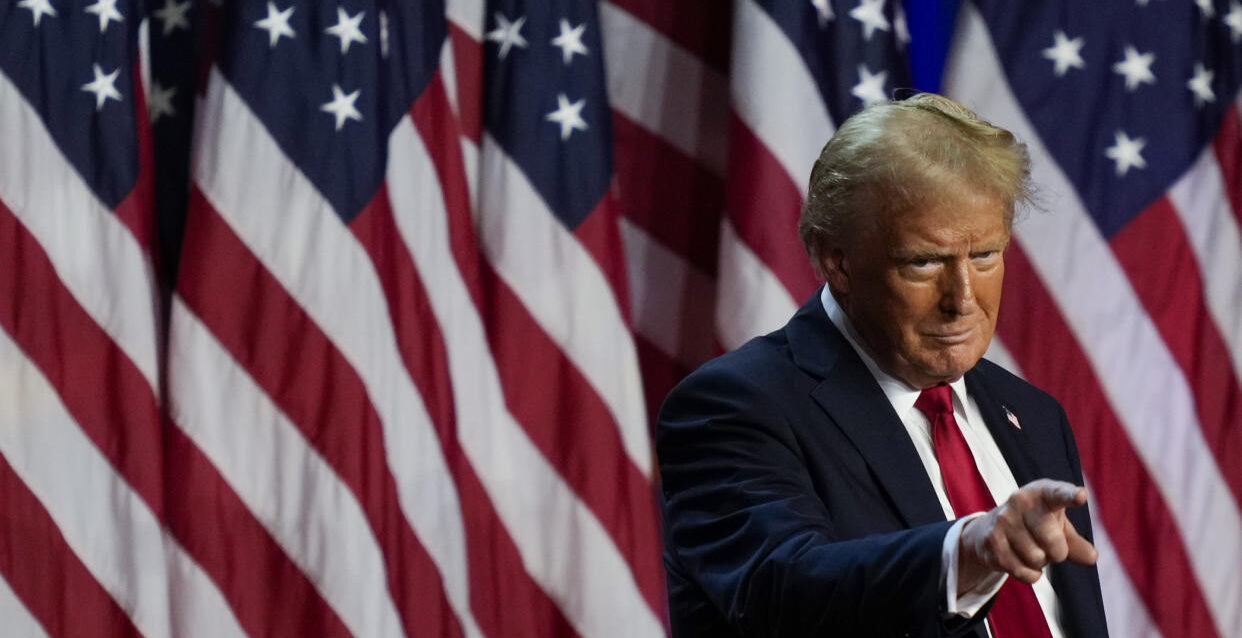
The reelection of Donald Trump for a second term as U.S. President, along with his appointment of new figures to key positions, has generated some uncertainty among public relations and public affairs professionals across several key industries. Despite Trump’s bold campaign promises, industry experts remain cautiously optimistic.
Pharmaceutical Industry
Trump’s selection of Robert F. Kennedy Jr., known for his vaccine skepticism and criticism of the pharmaceutical industry, to lead the Department of Health and Human Services (HHS), has triggered particular concern for some. Although Kennedy advocates for substantial drug price regulation and promotes controversial theories regarding vaccine safety, many industry insiders believe a complete overhaul or vaccine ban is improbable due to political and social repercussions. However, they foresee potential reductions in government vaccine funding, weakened mandates, and diminished public confidence in vaccines.
Industry experts warn that a politicized Food and Drug Administration (FDA), particularly under the influence of figures like Kennedy and Dr. Mehmet Oz, nominated to oversee Medicare and Medicaid, could pose risks to pharmaceutical innovation and scientific credibility. Conversely, Trump’s anticipated deregulation efforts might boost investment in life sciences, potentially benefiting the sector financially.
Food Policy
Trump’s appointment of Kennedy also signals potential shifts in food policy, targeting ultra-processed foods, chemical additives, and food stamp eligibility criteria. Anticipated regulatory changes may impose stricter safety standards and alter dietary guidelines significantly. Industry professionals predict mixed regulatory outcomes, paralleling Trump’s first term, with some policies likely to relax while others tighten, especially in nutrition standards and food safety.
Technology Sector
The technology sector faces intensified scrutiny under Trump’s administration, particularly with the anticipated appointment of Brendan Carr as chair of the Federal Communications Commission (FCC). Carr’s critical stance on big tech companies like Facebook, Google, and Apple could foster a challenging regulatory environment, amplified by Elon Musk’s influence within the administration. Experts express some concern regarding threats to media freedoms, anticipating an adversarial stance against traditional media and increased political pressure on social media platforms.
Nonetheless, some venture capitalists view the administration’s deregulatory approach positively, predicting enhanced capital flow into technological innovation and startups.
Climate and Energy Policies
Trump’s clear dismissal of climate science suggests significant rollback of environmental regulations. His plans include withdrawing from the Paris Climate Agreement, weakening EPA guidelines on emissions, and expanding oil and gas exploration. Observers expect executive actions that diminish environmental protection programs, potentially undermining global climate commitments.
Despite federal-level rollbacks, state and private-sector initiatives are expected to persist in efforts to address climate change and promote clean energy solutions, counterbalancing federal inaction to some extent.
Financial Services and Cryptocurrency
The financial sector responded very positively to Trump’s reelection, anticipating relaxed regulations that would foster mergers and boost sector profitability. Trump’s support for deregulation, particularly concerning capitalization and liquidity standards, indicates increased freedom for financial institutions.
The cryptocurrency market, in particular, shows enthusiasm following Trump’s promises to replace SEC Chairman Gary Gensler and his appointment of crypto-friendly Treasury Secretary Scott Bessent, signaling a potentially unregulated and buoyant crypto investment environment.
Tariff and Trade Policies
Trump’s aggressive tariff proposals, particularly targeting China with substantial levies, could increase consumer prices and disrupt global supply chains. Retailers and import-dependent businesses, notably companies like Walmart and Lowe’s, have begun adjusting strategies, including diversifying supply chains and increasing inventory ahead of anticipated tariff implementations.
While economists widely predict inflationary pressures and retaliatory international trade measures, industry observers speculate that the administration might moderate its tariff approach upon facing economic realities.
Overall Industry Perspective
Overall, despite some uncertainties and potential for disruptive policies, public relations and public affairs professionals largely anticipate incremental rather than radical changes, trusting institutional safeguards to temper extremes. However, experts caution against underestimating Trump’s intentions, given his appointments and stated commitment to fulfilling campaign promises, suggesting industries should prepare strategically for a challenging and potentially unpredictable political environment over the coming years.